
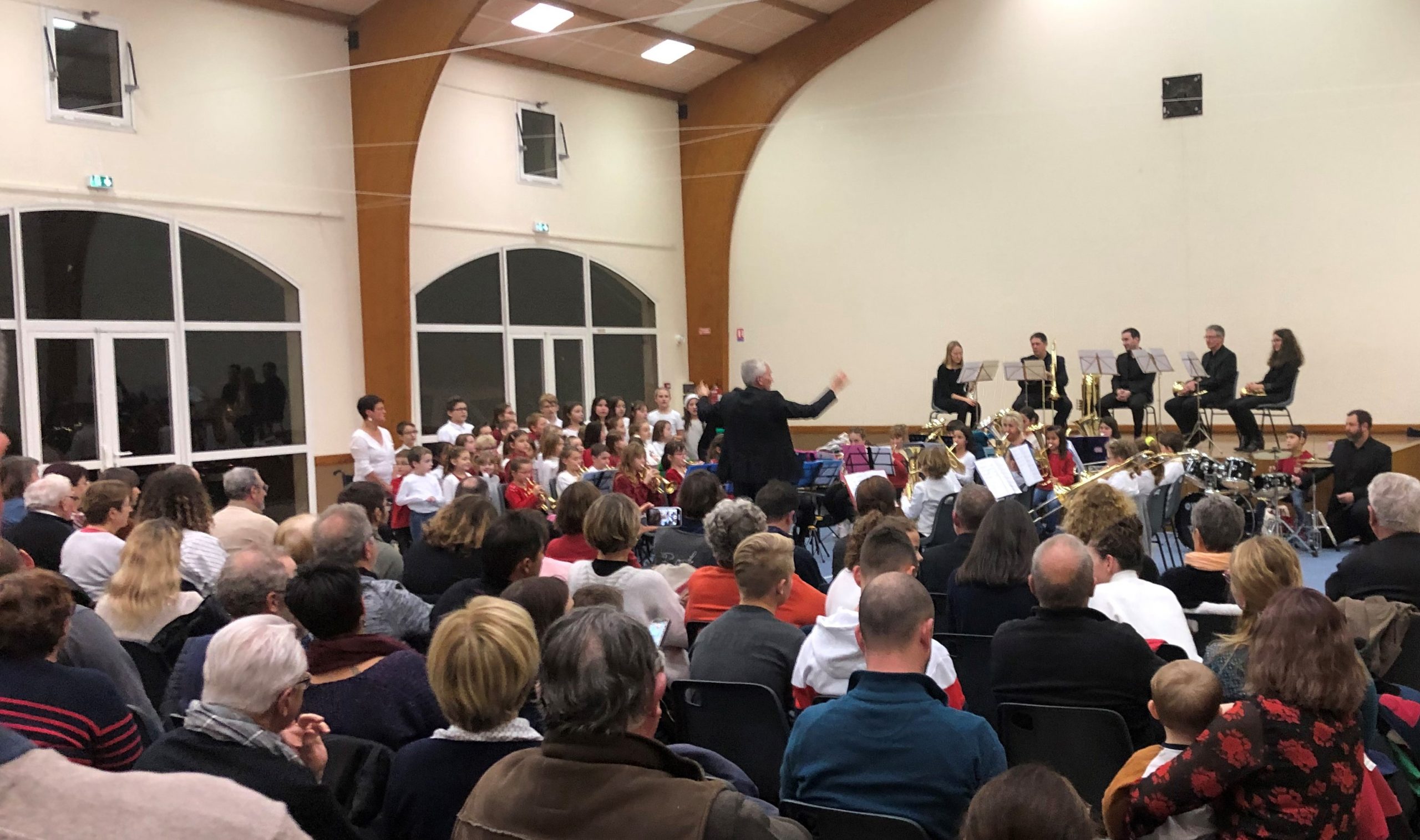
Music is a source of happiness!
There are many ways to appreciate music. In addition to the emotion it gives us, it connects us to the events to which we relate it when it refers, for example, to a film or song that is dear to us.
In the background, soft music helps pass the time, avoids awkward silences, and even improves the taste of meals (when used properly!). It motivates us during physical exercise, reduces anxiety and can even bring back memories in some Alzheimer's patients.
But did you know that playing a musical instrument is the equivalent of a sports session for the brain? When a child plays an instrument, it stimulates the auditory, visual and motor cortexes.
A gym session for the brain!
Have you ever thought about what a musician has to do in the space of a second, and the number of seconds in a standard song?
In music, one second is rather slow: it corresponds to just 60 beats per minute (bpm). When an orchestra plays a fast march, the speed is 120 bpm.
A musician will often play four notes (sixteenth notes) in a single beat. At 120 bpm, the brain must be able to produce each note in 1/8 of a second!
The brain: our command and control centre!
What does the musician's brain have to do in that split second? Its main task is to coordinate multiple sensory stimuli in the ears, eyes and touch, and then execute a number of actions.
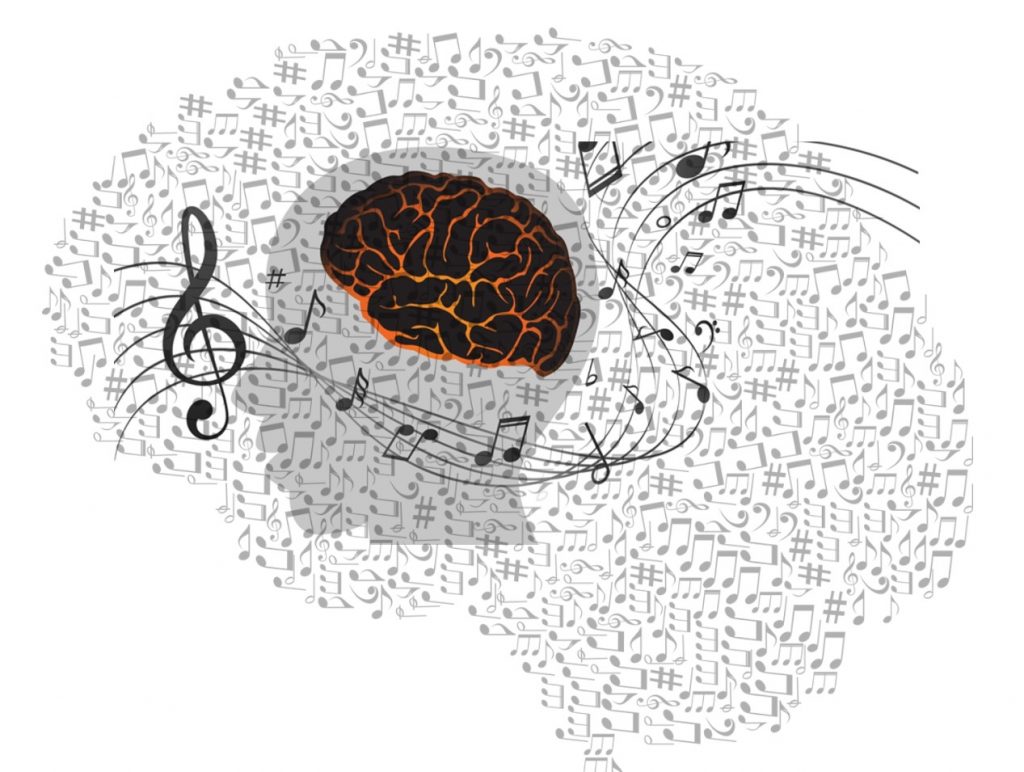
All these actions are carried out under the control of the brain, which manages temporality and memory and also analyses the style of music being played.
Of course, other activities also stimulate the brain (sport, painting, dancing, etc.), but none of them require you to use all its functions, as you do when playing a musical instrument.
Rapid visual processing!
Take, for example, the cornet (two can be seen in the photo below) in an ensemble where each musician has his own part to play.
When reading music, the musician's eyes first send a signal to the brain to indicate what the composer has sought to express using the various written symbols (notes, speed, volume, duration, style, accentuation).
What's more, his eyes have to be attuned to the conductor's movements in order to perceive the slightest variations - such as a slowing down or speeding up of the rhythm.
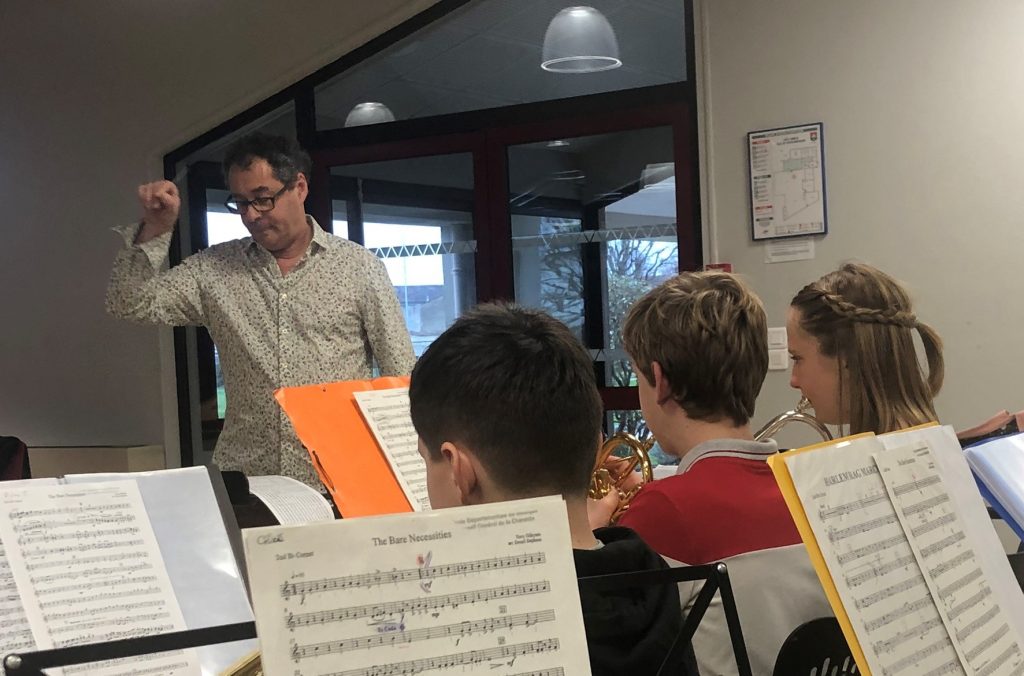
To improve the flow of the piece, his eyes also look at the next notes, to prepare the brain for what's coming next. No-one wants to come up against the 'musical wall' of being the only person playing when everyone else has stopped!
Ears everywhere!
The ear obviously plays a central role in determining whether a note is melodious or not. If it isn't, it tells the brain to modify the sound. The ear also guides musical balance: should I play louder or softer?
Le couple oreille / cerveau est fondamental pour faire en sorte que le musicien joue en harmonie avec les reste du groupe – cela signifie notamment de bien compter les temps de pause et de reprise, afin que tout le monde commence à jouer exactement en même temps et à la même vitesse !
Sore muscles!
Yes, playing music can cause aches and pains. The physical effort for our cornet player begins with the need to fill his lungs. The air is then rapidly compressed by the muscles of the abdomen. The tongue and lips then control the outflow of air. It is the lips that are the most fragile, and which can suffer from aches and pains.
... And let's not forget that at the same time, the fingers press firmly and quickly on the pistons, to produce the combination that corresponds to the right note (one out of eight possible combinations)!
# 1 Improved language and listening skills
Why encourage your child to play a musical instrument?
Have you ever wished that your child was a great listener, or that their speaking skills would improve even further?
La pratique de la musique favorise le décodage des sons, et permet ainsi de faire progresser de nombreuses compétences langagières.
It thus facilitates the identification of formulas, and in particular the ability to discern the different syllables, which vary in duration and frequency. This, for example, makes it easier to identify different phonemes.
# 2 A reading level a year ahead of its time.
Learning rhythm (singing, body percussion, etc.) supports word reading. It helps each child to read better, and thus to understand texts better.
Ability to identify the intonations, syllables and rhythm of words: it's hardly surprising that children who play music read as well as children a year older than them.
#3 Psychological well-being
Every parent naturally wants their child to be happy. The third reason, and perhaps the most important, for encouraging your child to play music is the psychological well-being it will bring.
Numerous scientific studies show that producing music improves psychological well-being.
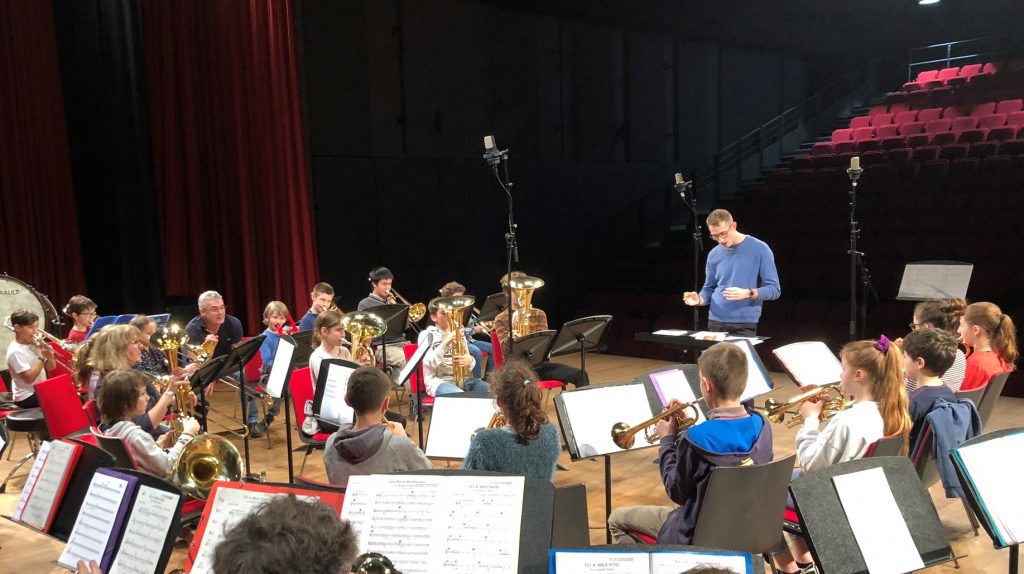
Children who are musicians strengthen their sense of belonging to a group. They are proud of their achievements, more determined and more perseverant. They express their emotions more easily and are better able to control their anger when it arises.
They are also less anxious and have fewer depressive symptoms than non-musician children.
The Power of Music
The benefits of music don't stop there! Many musicians, because of their ability to decipher what looks like hieroglyphics to non-musicians, are better at maths, thanks to a better level of spatial perception.
Other positive effects have been observed on visual memory, creativity, empathy, group work and social cohesion. Don't hesitate to contact us if you'd like to find out more!
The school orchestra!
The association Cuivres en Charente and the Brass Band de Charente are currently working with the primary school in Bourg-Charente, near Cognac.
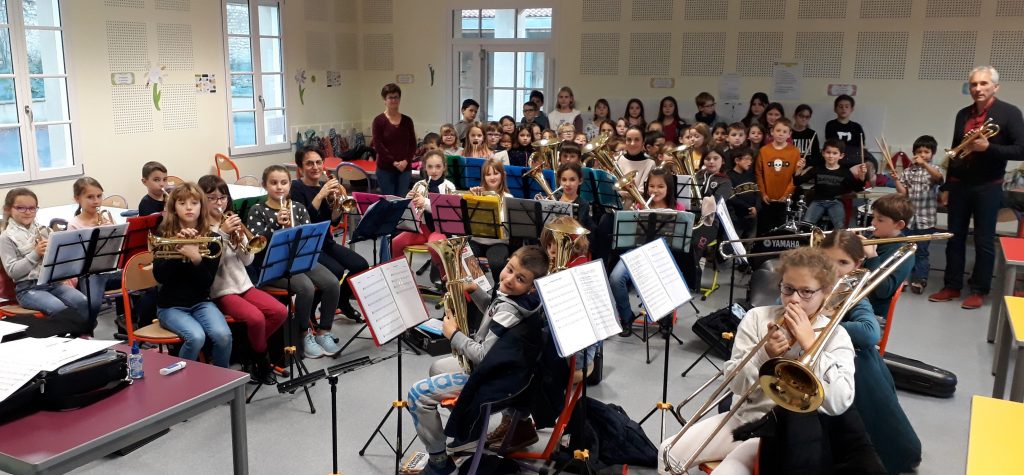
Over a three-year period, children aged 8 to 10 receive two music lessons a week and perform in village halls close to their school, where parents and friends can come and hear them play.
The children of Bourg-Charente are currently preparing a concert in which they will play with the Brass Band de Charente.
The programme includes pieces specially arranged for the occasion, so that the children can play with musicians of a higher calibre.
Why not come and support the children taking part in this musical experience? If you're interested in this concert, contact us!
A wonderful gift from parents to their children!
Francis Chiché, local professional trumpet teacher and leader of the project commented: "We're very proud of the children's progress. We hope that many of them will want to continue making music... and maybe one day they'll play in our brass band!"
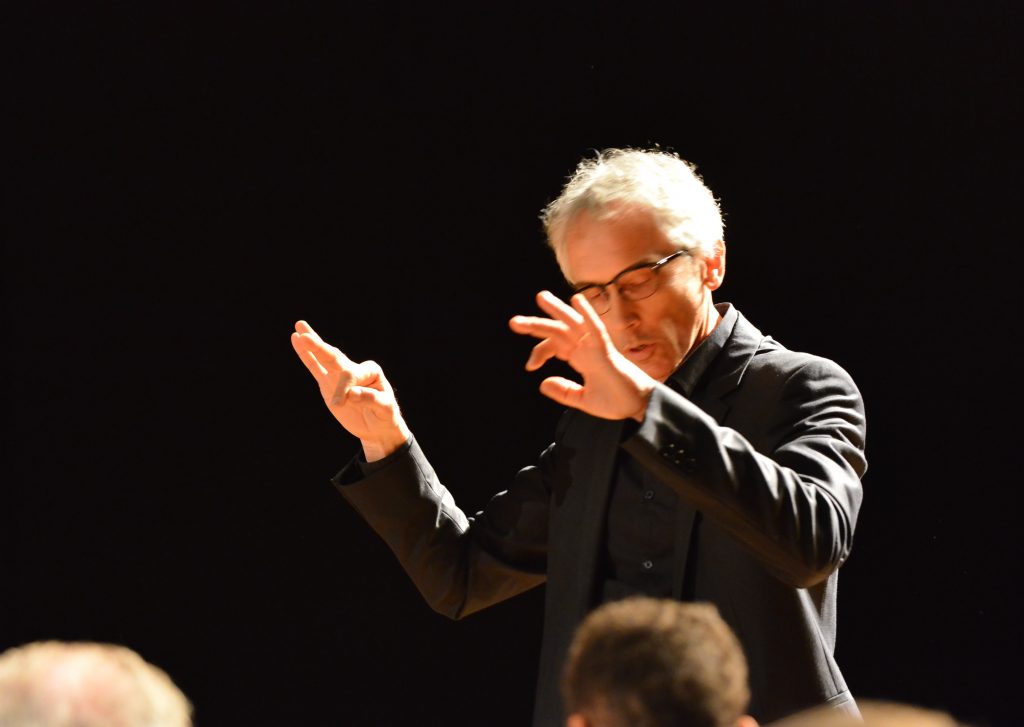
Francis continued: “ Je suis très reconnaissant du soutien que nous avons reçu de la part des professeurs de l’école et du Maire du village. I'd also like to say how precious the involvement of parents is to us: encouraging your children to take part in musical events strengthens us in our mission: thank you very much!"
Latest measures!
Now you have a better understanding of what a musician's brain has to do in 1/8th of a second. Now think of the musicians who have to play the much faster pieces... like Rimsky-Korsakov's 'Flight of the Bumblebee', Chopin's 'Minute Waltz' or even Khachaturian's 'Sabre Dance'.
That could be enough to disrupt their brains - unless they're well trained! As with sport, the benefits of music are the result of daily effort, combined with a good dose of determination and perseverance.
Finally the benefits of music are not limited to children. It's also good for adults, as it improves the regeneration of neurons in the brain. And that's a big plus for older players!
Find out more about the Brass Band de Charente
If you'd like to find out more about the cognitive aspect of music-making and about us, visit our website and sign up for our newsletter.
It's up to you!
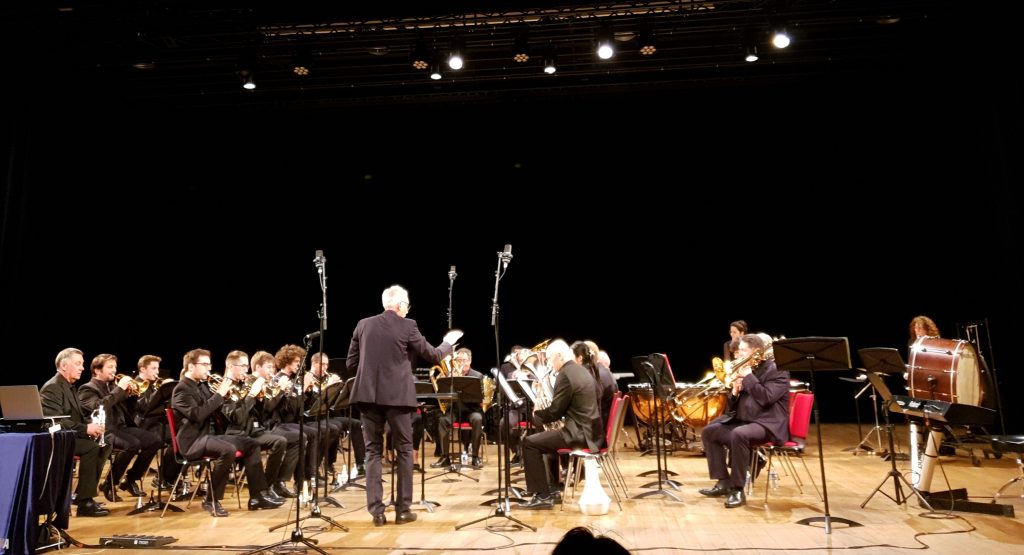
Music is one of life's gifts! If you're a musician and play an instrument from the brass family, and even if you haven't practised for a few years, why not get in touch?
Visit our website: www.brassbanddecharente.fr .
You can also read more on other recent events organised by the association and the Brass Band de Charente, such as the weekend workshop for young musicians from the region, and the visit to Charente of Nicolas Chatenet, international trumpet player with the Paris Opera.